Spring rain is supposed to taper off.
April is messy. May is when things settle. Fields dry, planters roll, and whatever margin exists for the year starts to take shape. That rhythm used to be reliable enough to plan around.
Lately, it hasn’t been.
More springs are breaking in the same way: rain through April, momentum building, and then silence. May arrives dry, warm, and unforgiving. The rain doesn’t just slow down. It stops.
And the timing matters more than the totals.
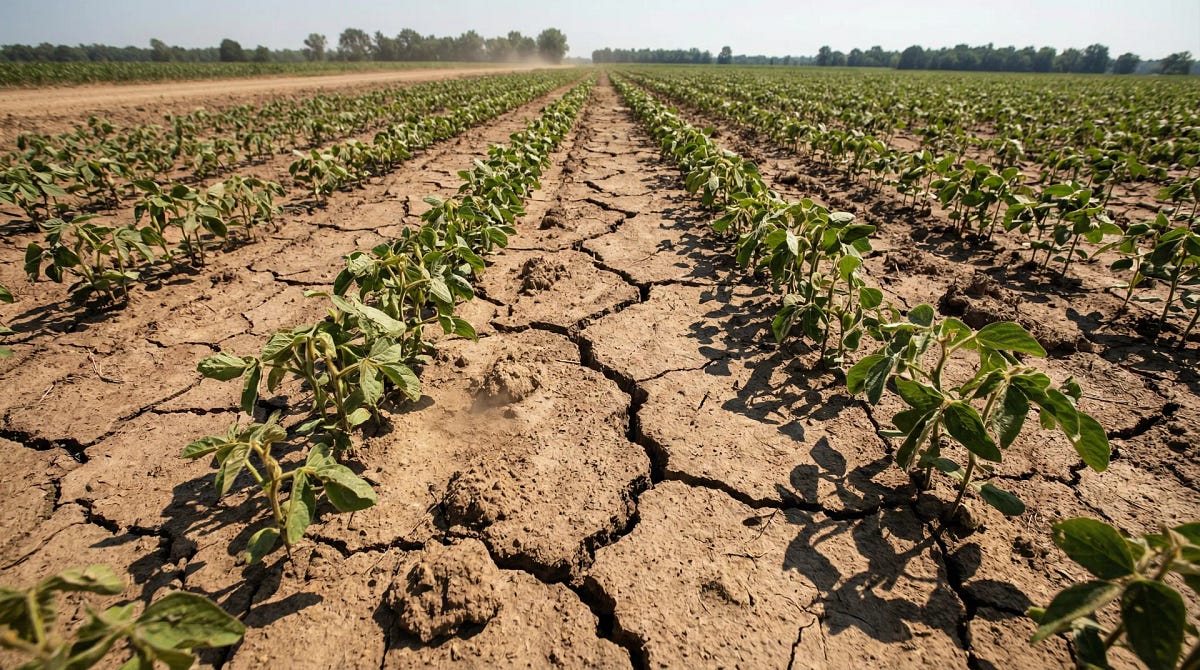
Early Moisture Creates Expectations
A wet April feels productive, even when it’s inconvenient.
Soil profiles look full. Subsoil moisture is there. Concerns about drought fade into the background. When planters finally roll, there’s confidence that the crop will have what it needs to get established.
That confidence carries weight in decision-making.
Planting depth, population, nitrogen timing, and even crop choice are shaped by the assumption that spring moisture will carry into early summer.
When May rain disappears, that assumption becomes a liability.
Germination Isn’t the Problem
Most of the time, crops emerge just fine.
The soil is still moist enough. Stands look uniform. Early scouting doesn’t raise alarms. From the road, everything appears normal.
That’s what makes these years dangerous.
The stress doesn’t show up immediately. It shows up later, when roots should be pushing deeper and moisture should still be moving through the profile.
By then, adjustments are limited.
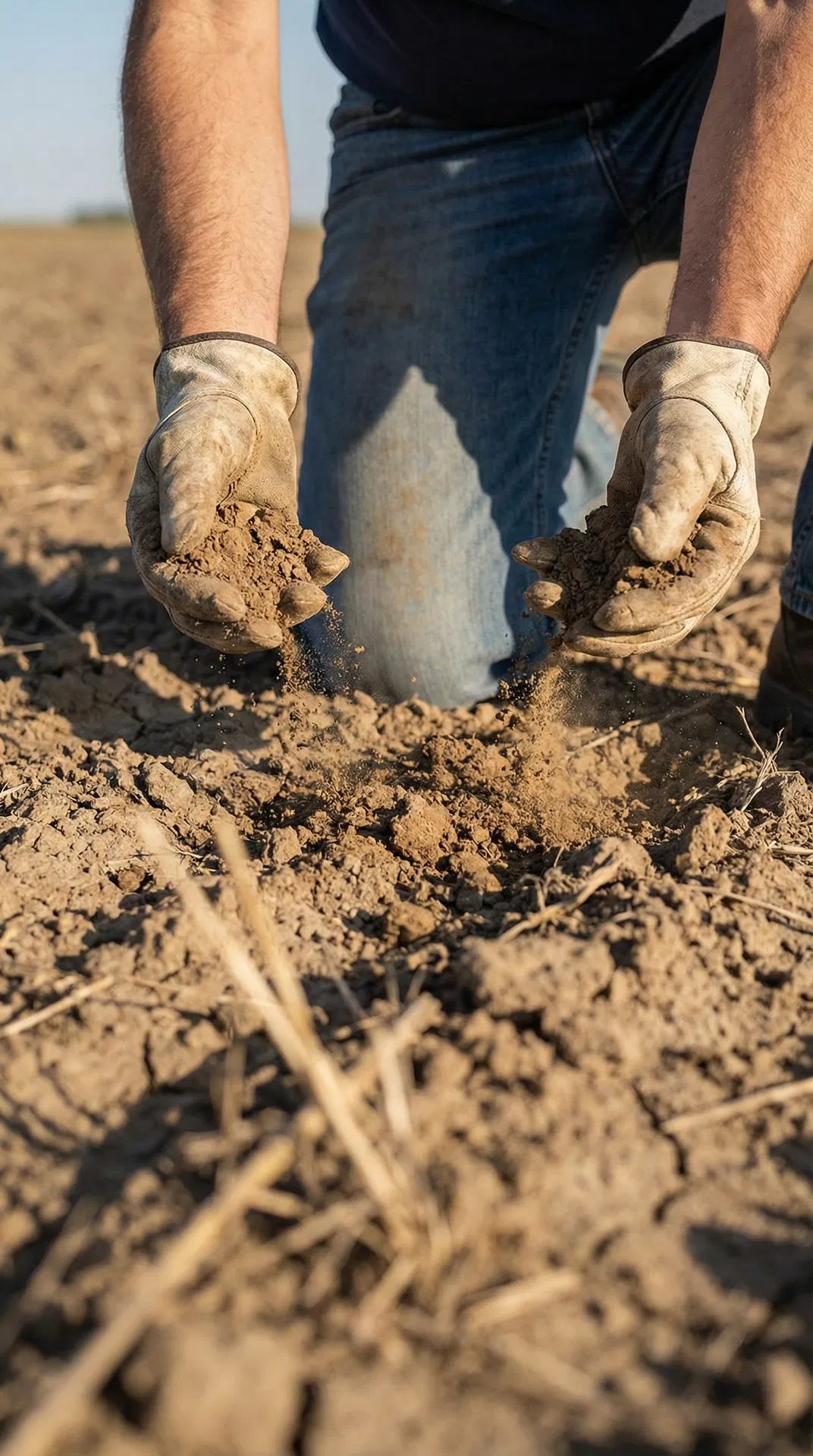
Timing Risk Replaces Yield Risk
A dry May doesn’t always kill yield outright. What it does is shift the risk.
Nitrogen uptake slows. Root development stalls. Early-season growth gets compressed. The crop loses flexibility before it ever reaches the reproductive stages.
From that point on, the entire season depends on when rain returns, not if it does.
A single well-timed rain can rescue the crop. A two-week delay can permanently cap yield potential.
That binary outcome is hard to manage and impossible to hedge.
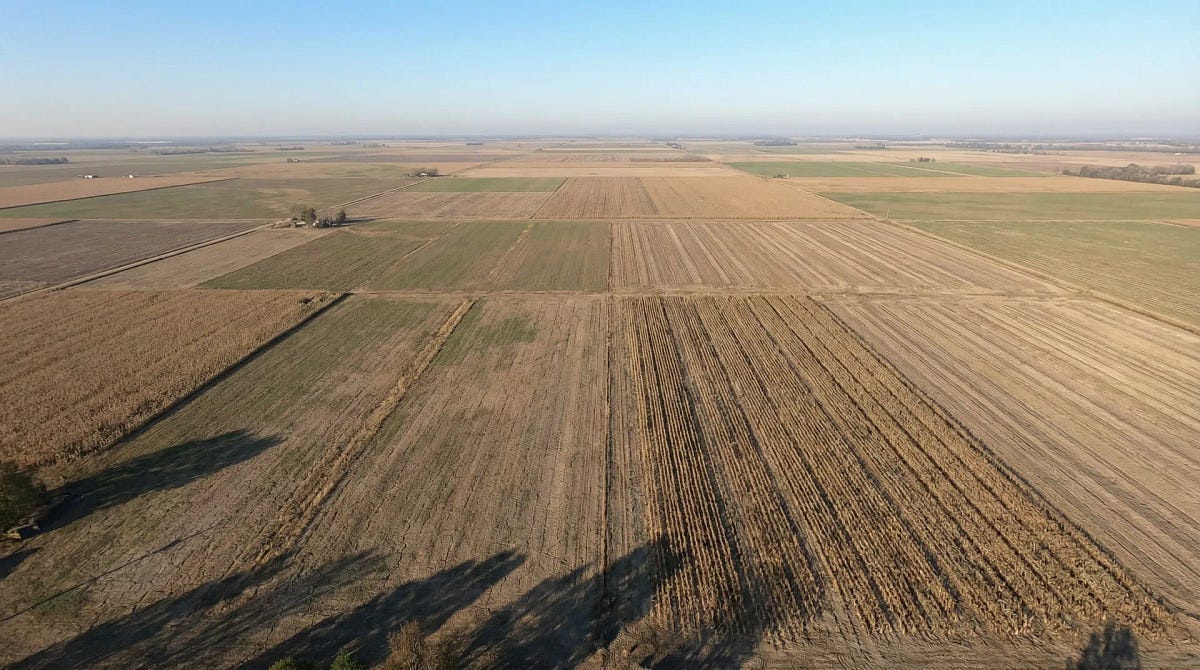
Management Decisions Get Locked In Early
By the time May dryness becomes obvious, most major decisions are already made.
Fertility programs are set. Seed populations are planted. Herbicide passes are done. There’s little room left to adjust without adding cost or risk.
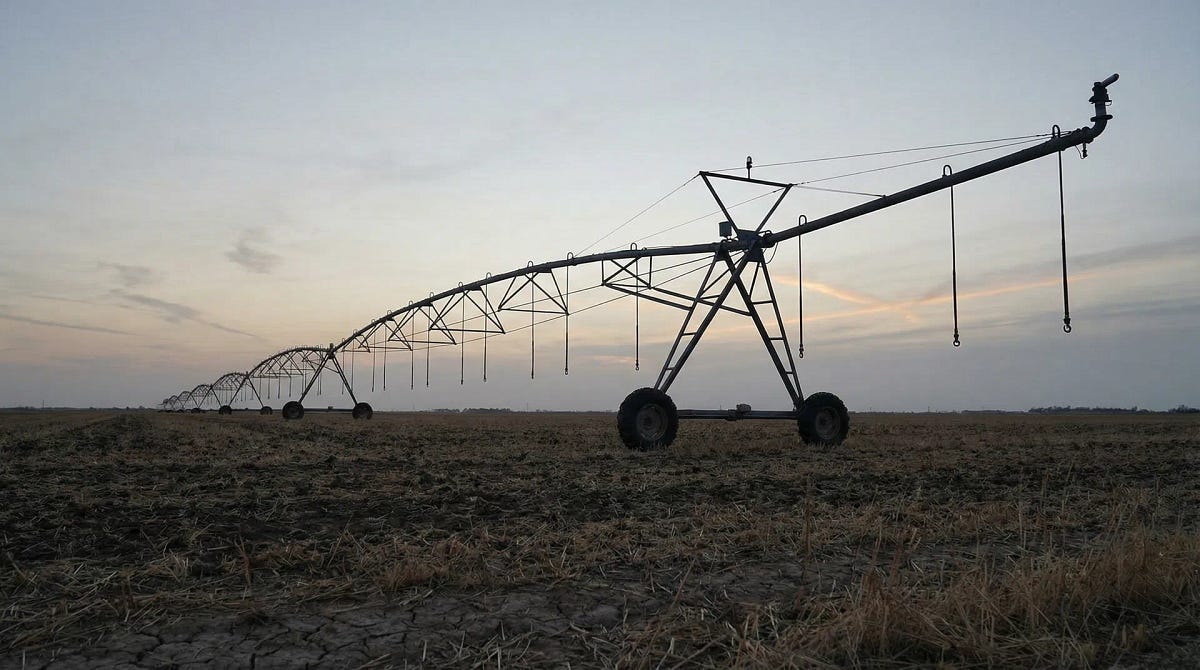
Irrigation, where available, becomes the only meaningful lever. Where it isn’t, the operation waits.
The problem isn’t that dry Mays exist. It’s that they arrive after flexibility has already been spent.
Dry Mays Expose Field Differences Fast
When rain shuts off early, variability shows up immediately.
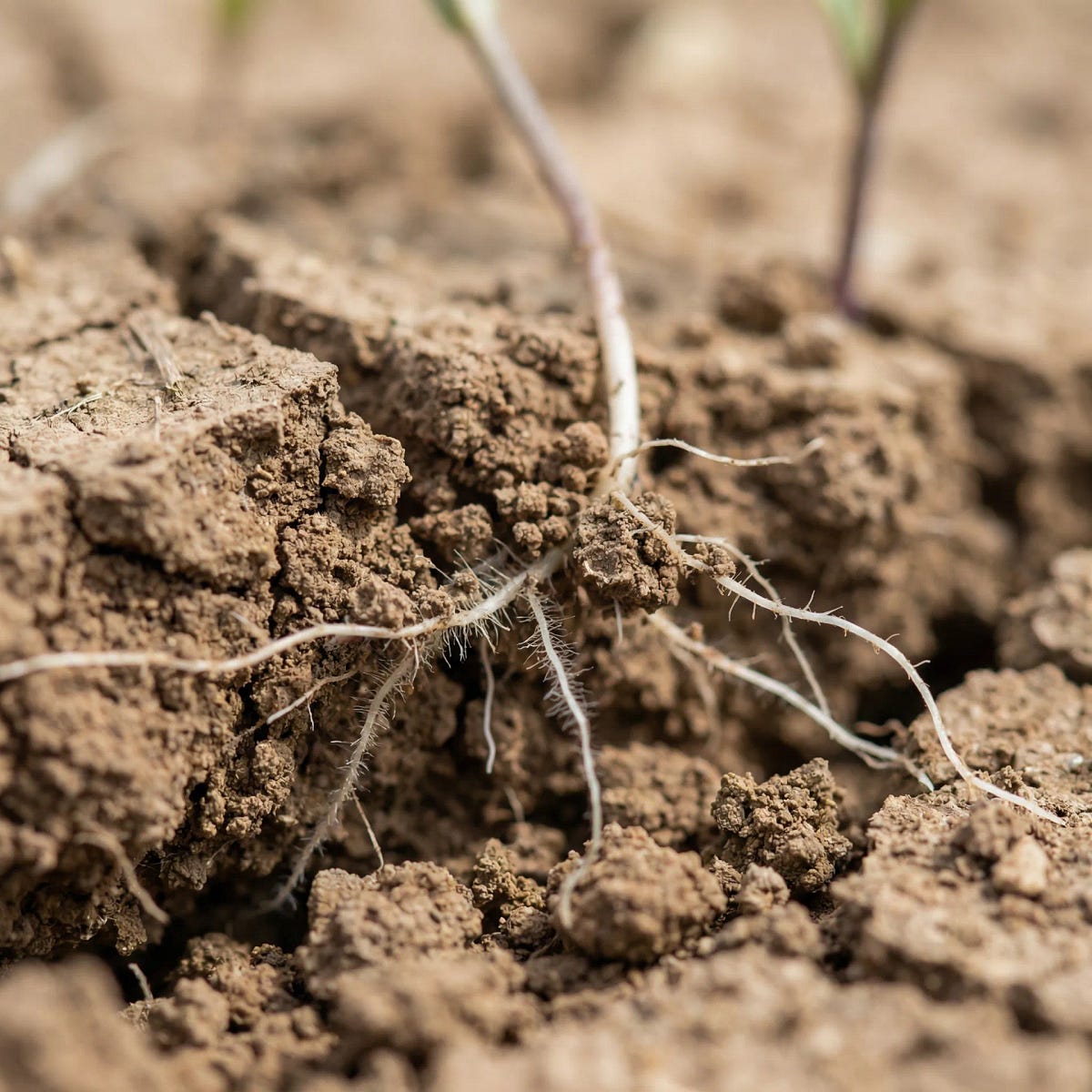
Soils with better structure and organic matter hold on longer. Lighter ground runs out first. Fields that usually even out by mid-season don’t get the chance.
What used to be a yield difference becomes a management problem.
Input costs were applied evenly. Outcomes won’t be.
Weather Risk Isn’t Just About Extremes
Floods and droughts get headlines because they’re obvious.
A dry May doesn’t look dramatic. Crops don’t fail overnight. But it quietly reshapes the season in ways that don’t show up in weather summaries or insurance claims.
The damage is incremental. It shows up in reduced efficiency, missed potential, and narrower margins that don’t have a single cause.
Those are the hardest losses to explain after the fact.
Why This Pattern Matters Going Forward
Spring rain stopping in May isn’t just bad luck. It’s a timing problem.
The system assumes moisture when decisions are made early. When that assumption breaks, the crop carries the cost for the rest of the season.
As these patterns repeat, planning around averages becomes less useful. The risk isn’t total rainfall. It’s when it arrives.
Where This Leaves the Farmer
A dry May doesn’t guarantee a bad year.
But it removes margin before the season really starts.
It turns what should be manageable decisions into reactive ones. It forces the crop to rely on timing instead of structure. And it exposes weaknesses that don’t show up when conditions cooperate.
The problem isn’t that spring rains stop coming.
It’s that they stop after the operation has already committed to assuming they would.
That’s the pressure that doesn’t show up on a chart, but still decides how the year turns out.

Leave a Reply